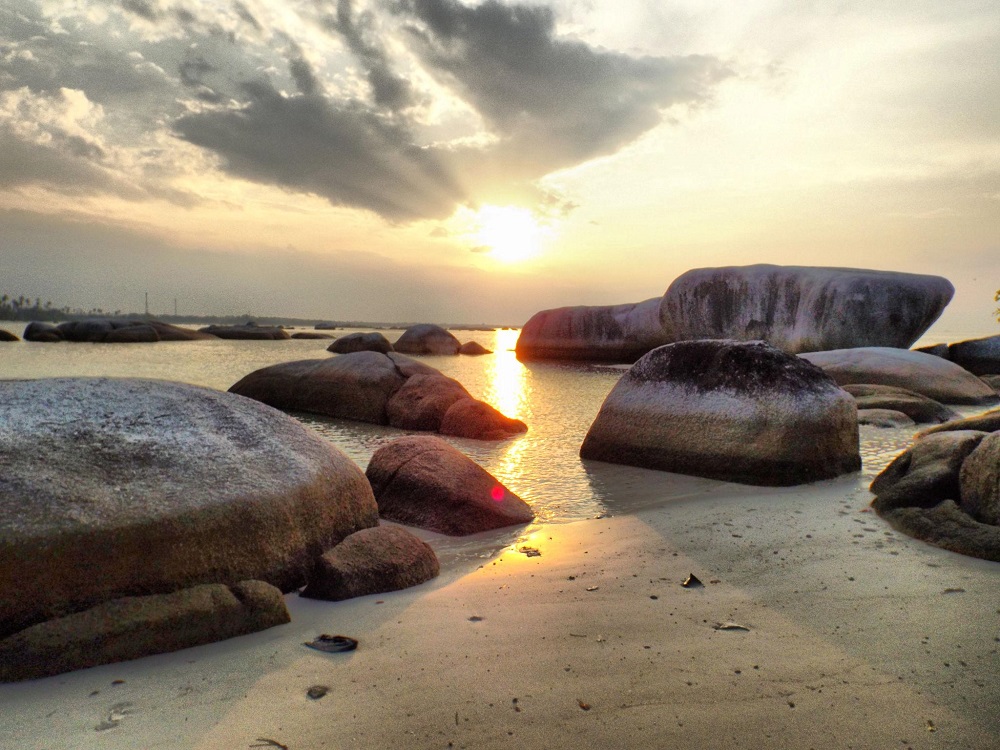
Granite boulders
Rounded stones sit at the tideline like ancient sculptures, giving Belitung's beaches their unmistakable silhouette.
Belitung Island, Indonesia
A coastal story of granite, tin, pepper, forest fruit, Malay craft, lighthouse islands, and sea-bright mornings.
Begin the journeyGeography
Belitung lies east of Sumatra in the Java Sea, paired in memory and province with Bangka. Its identity is shaped by a rare meeting of mineral-rich ground, low green hills, fishing villages, offshore islets, and beaches where giant granite forms rise from clear water.
Landscape
Rounded stones sit at the tideline like ancient sculptures, giving Belitung's beaches their unmistakable silhouette.
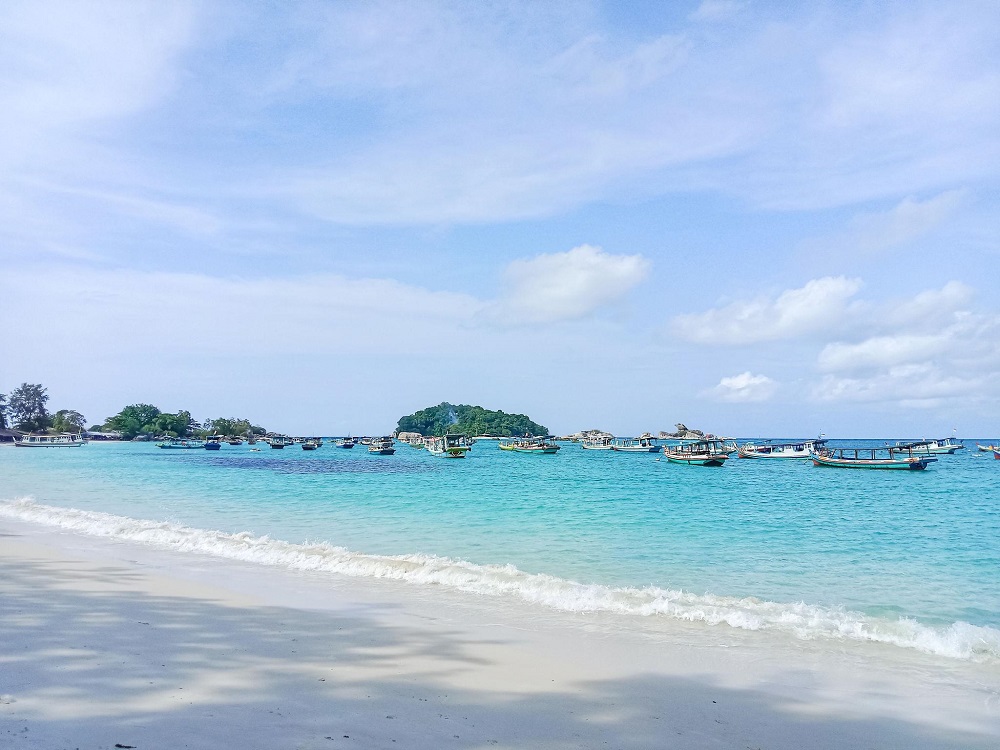
Powdery shores and shallow turquoise water make the island feel open, luminous, and easy to wander.
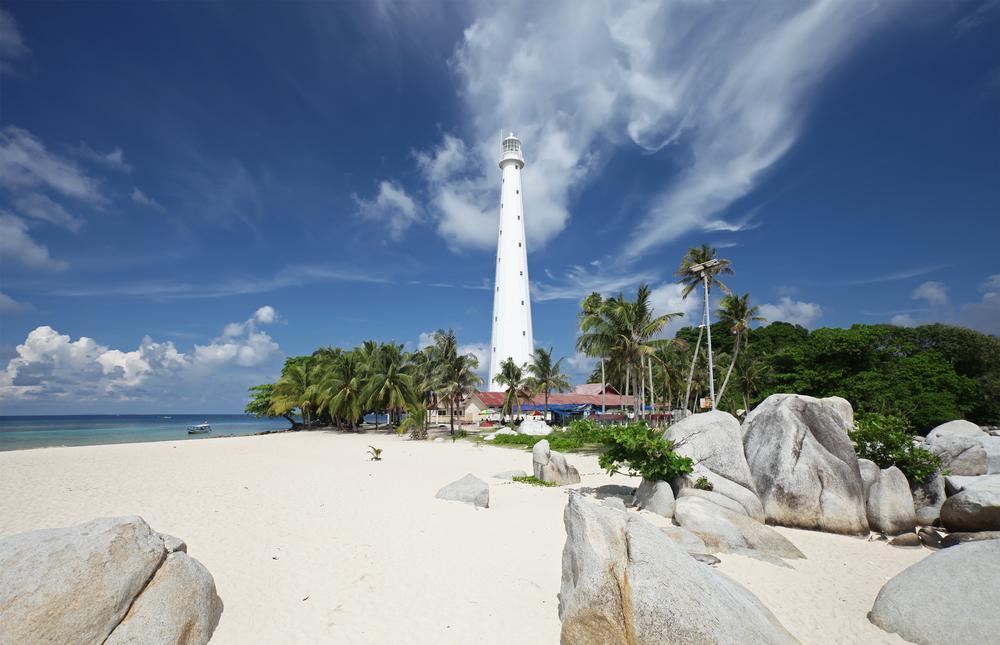
The lighthouse on Lengkuas Island anchors the seascape, watching over reefs, boats, and island-hopping routes.
Flora
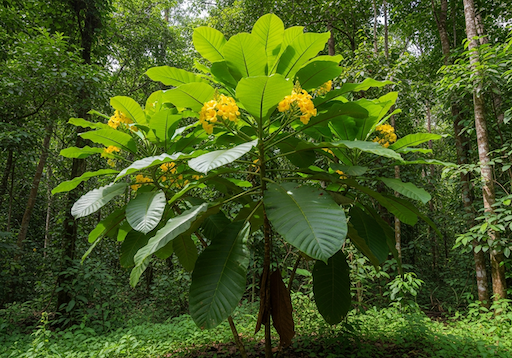
Simpur, often recognized by its broad leaves and yellow blossoms, gives the site its namesake and a natural emblem of Belitung's tropical edge.
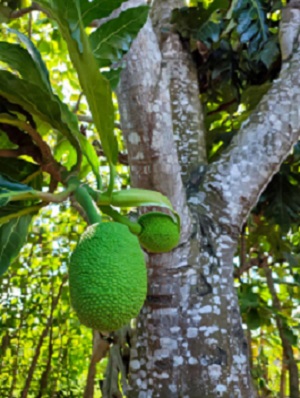
Breadfruit Sukun
Culture
Music, dance, and ceremony carry Malay rhythms through village gatherings and coastal celebrations.
Local batik patterns echo island plants, sea life, mining history, and the textures of everyday life.
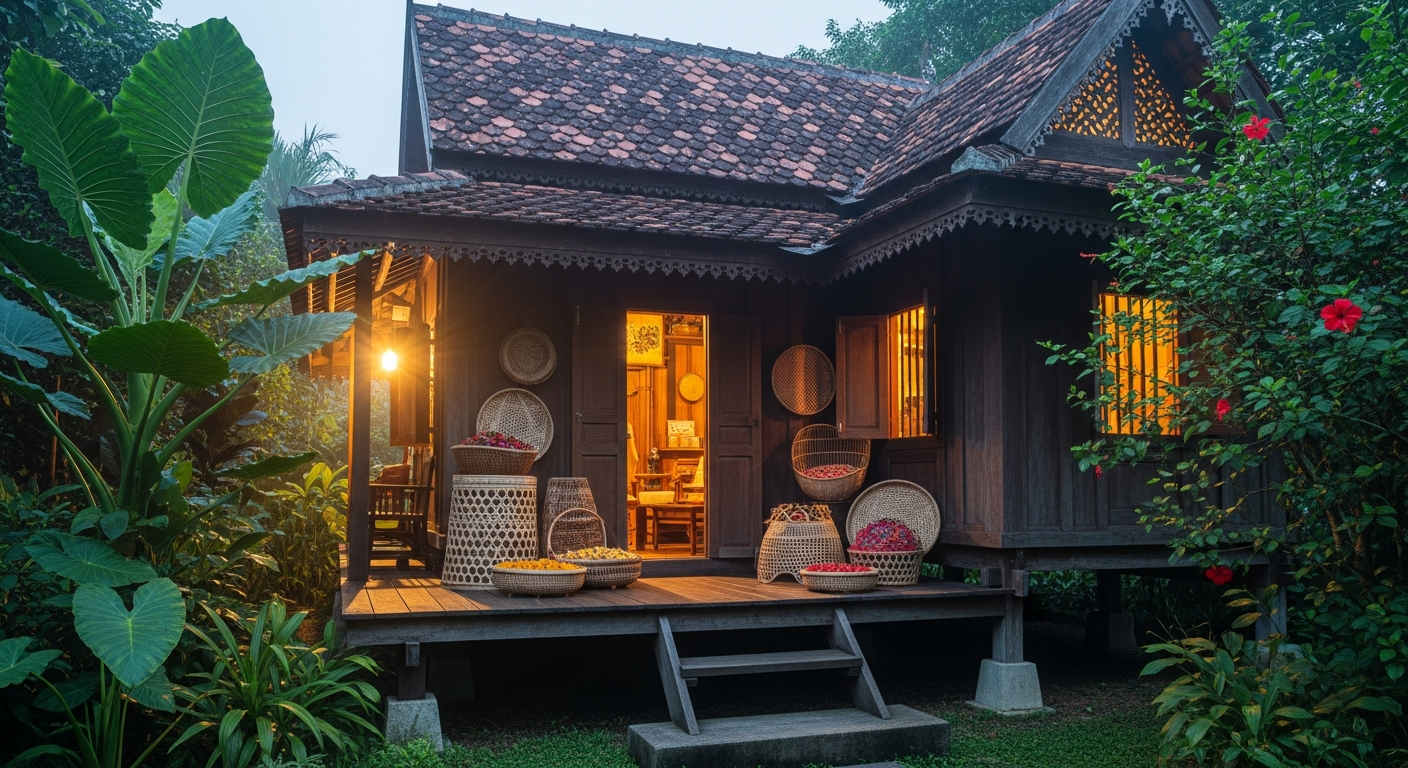
Raised wooden houses answer the climate with shade, airflow, and a graceful social porch.
Woven food covers and transport baskets reveal a craft culture built around hospitality and movement.
History
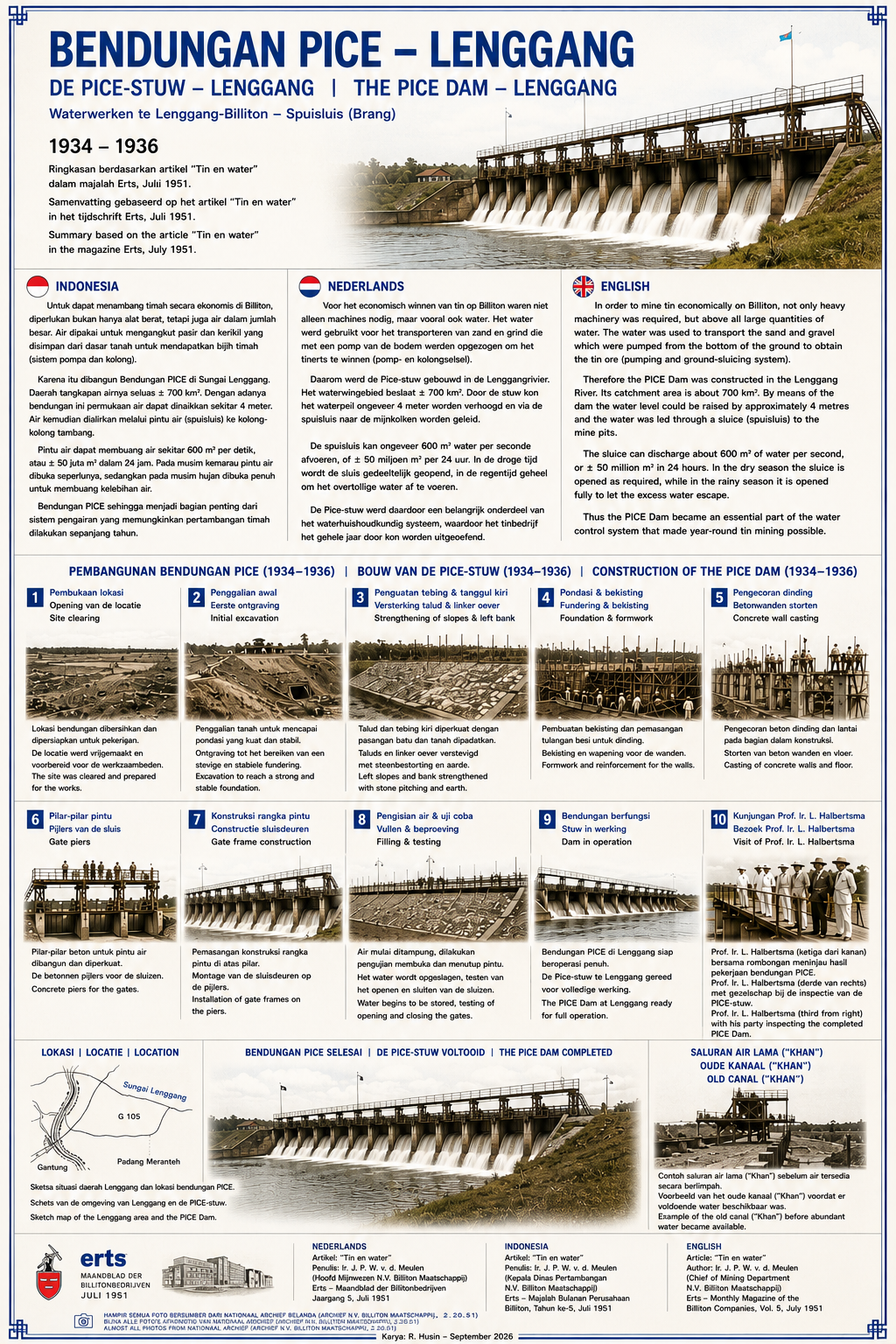
The PICE Dam at Lenggang, built in 1934–1936, is a lasting reminder of the island’s tin-mining era, when rivers, reservoirs and waterways became an essential part of Belitung’s industrial landscape.
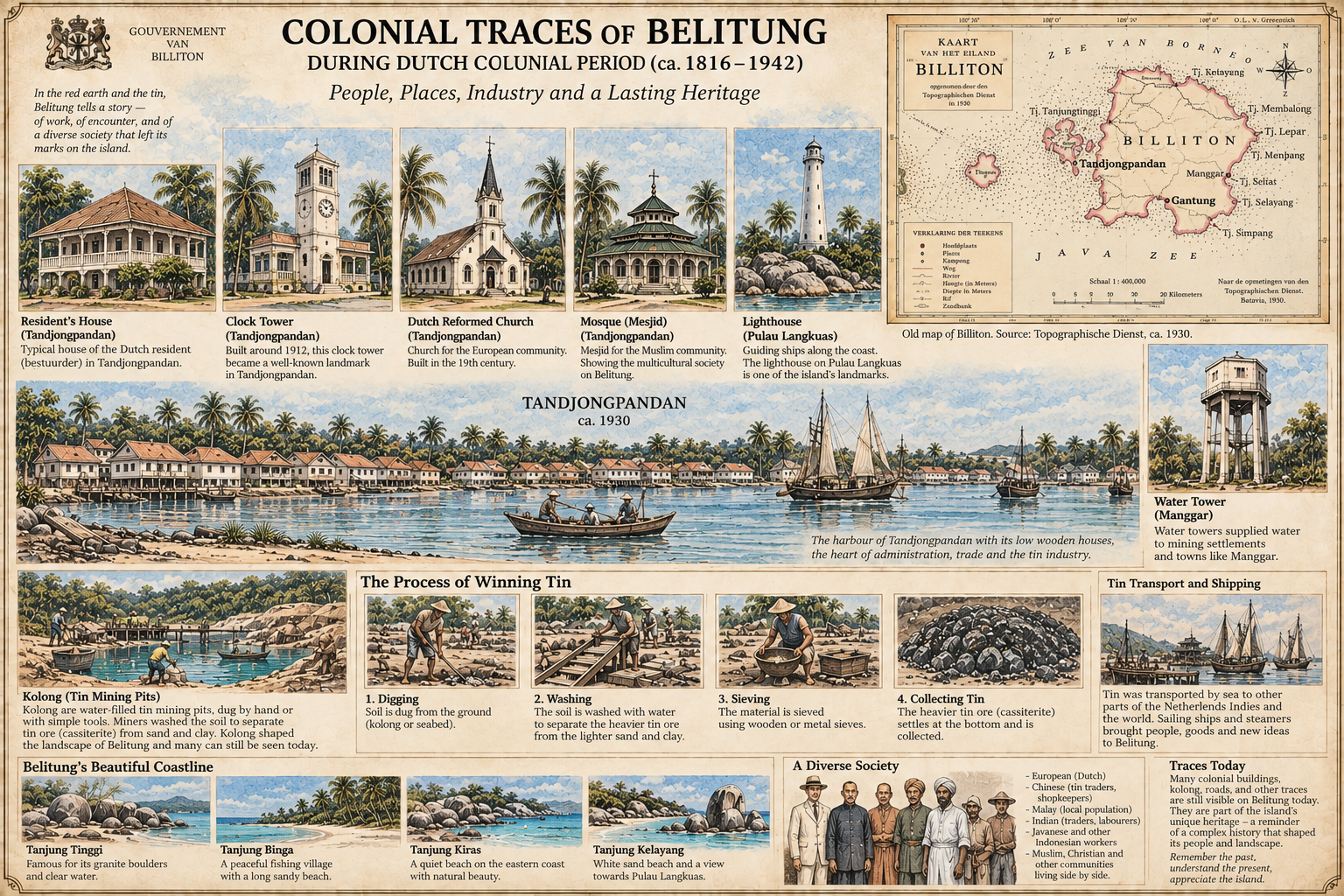
From the nineteenth century into the early twentieth century, Belitung was transformed by tin mining and the infrastructure built around it. The Billiton Maatschappij, founded in 1860, became one of the island's most influential industrial companies.
Across Belitung, traces of this period still survive: wooden administrative houses, mining settlements, bridges, water towers, churches, mosques, lighthouses, dams, bucket dredgers, pumping stations and the many kolong left behind by tin mining.
Together these places tell the story of European, Malay, Chinese and other Indonesian communities whose lives became intertwined with the island's mining history.
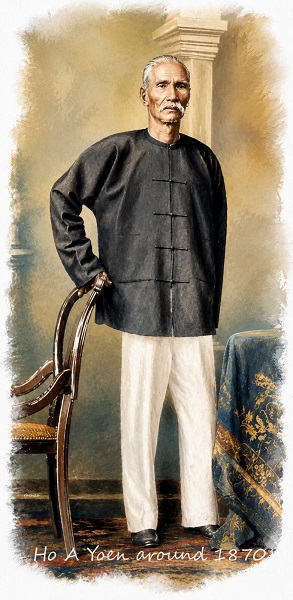
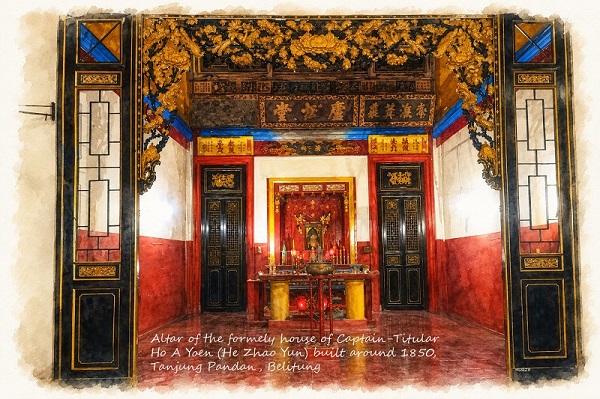
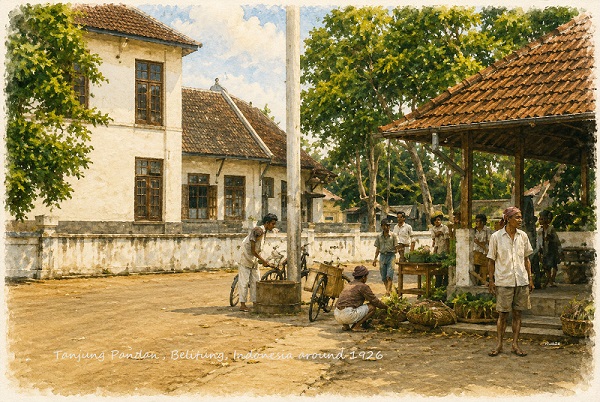
Chinese immigrant families became part of Belitung's commercial, culinary, and cultural fabric.
The beloved novel brought Belitung's schools, children, and landscapes into Indonesia's wider imagination.
Cuisine
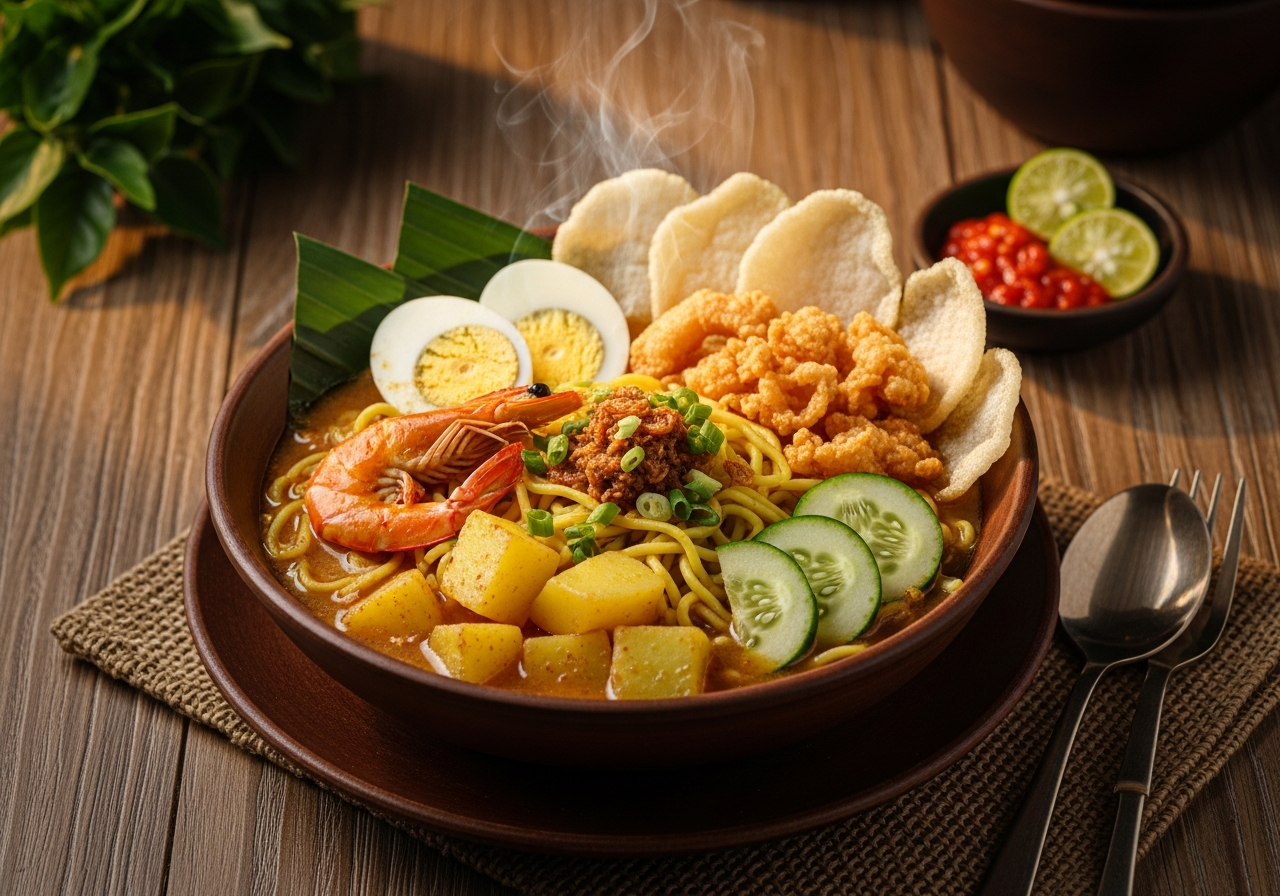
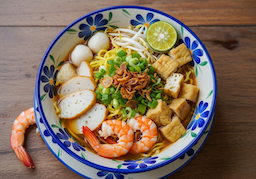
Noodles with a local seafood-leaning gravy, often brightened with cucumber, tofu, and shrimp notes.

Layered spice cake with colonial-era roots, rich with butter, warmth, and celebration.
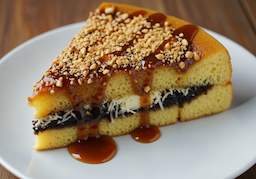
A generous sweet pancake tradition, folded around chocolate, cheese, peanuts, or condensed milk.
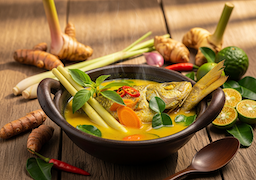
A yellow, peppery fish soup that tastes like sea air, turmeric, tamarind, and home cooking.